
Walk into any jewellery store — online or offline — and you will meet the same two metals everywhere: 316L stainless steel and sterling silver. Both are real, both are popular, and both get called "good for daily wear". So which one actually is? The honest answer: it depends on what you value — a piece you never have to think about, or a classic precious metal you are happy to look after. Here is the comparison, without the marketing fog.
What each metal actually is
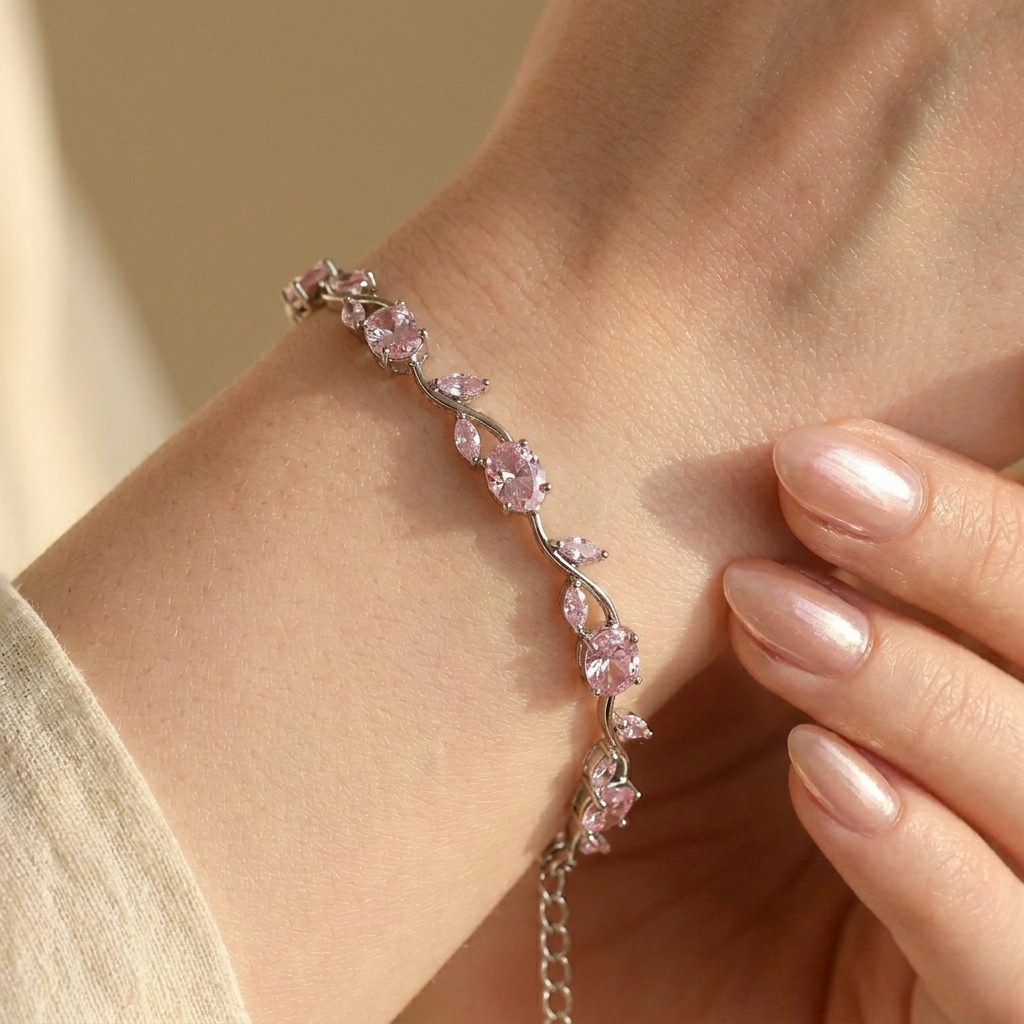
316L stainless steel is an engineered alloy: mostly iron, with chromium (which forms the invisible protective layer that resists corrosion), molybdenum, and very low carbon. The "L" stands for low carbon, which makes it extra resistant to corrosion — exactly what jewellery needs when it meets sweat, humidity, and daily life. It is the grade used in surgical tools and watches, and the reason it works so well for earrings and bracelets is simple: it does not react with much.
Sterling silver, by contrast, is a precious metal alloy: mostly pure silver, with a small amount of another metal — usually copper — added for strength, because pure silver is too soft for jewellery. That copper is doing a lot of quiet work in this comparison, because it is part of why silver tarnishes. Silver has a beautiful, cool-white shine and a heritage feel that steel cannot imitate. It is also a precious metal, which is why it costs more.
Tarnish: the biggest daily difference
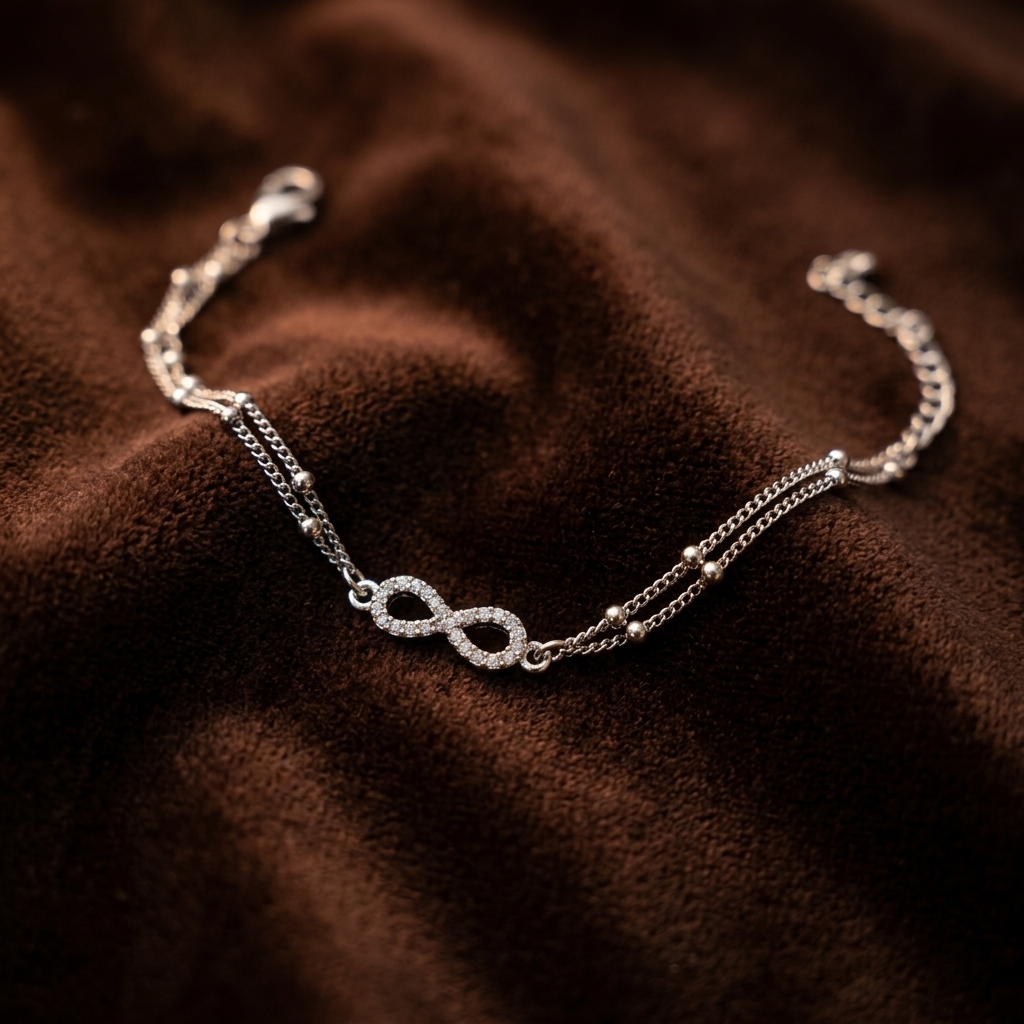
This is where the two metals truly split. Sterling silver tarnishes. Sulphur compounds in the air react with the silver (and its copper content), leaving a dark layer on the surface. Leave a silver ring in a box for a month and it comes out dull; wear it daily and you will still notice it darkening over time. Polishing cloths and silver dips fix it — but it is upkeep you have to actually do.
316L stainless steel is designed to resist tarnish. Its chromium layer blocks the reaction before it starts, and if the surface is disturbed, the layer reforms on its own. A steel piece can sit in a drawer for months and look the same as the day you bought it. Perfume, chlorine, and harsh chemicals can still dull the gold plating over time — no honest brand promises plating lasts forever — but the steel underneath will not blacken the way silver does.
Price, hardness, and everyday durability
Steel wins on two practical counts. First, hardness: stainless steel is considerably harder than silver, so it resists the scratches and small dents that daily wear — keys, desks, bags, gym equipment — leaves on softer metals. Silver is a soft metal; it picks up fine scratches with normal use, which is part of its lived-in charm, but not everyone loves it.
Second, price. Silver is a precious metal traded by weight, so sterling silver pieces carry a metal cost that steel simply does not. That is why everyday 316L pieces at Anisan sit between ₹349 and ₹499, while a comparable sterling silver piece often costs several times more. You are not paying for worse jewellery — you are paying for a different metal with a different cost structure.
316L stainless steel vs sterling silver — at a glance
| Feature | 316L stainless steel | Sterling silver |
|---|---|---|
| Tarnish | Designed to resist tarnish | Tarnishes — needs polishing |
| Maintenance | Wipe occasionally | Regular polishing + dry storage |
| Water & sweat | Water and sweat resistant | Dry after wearing; avoid pools |
| Hardness | Hard — resists scratches | Soft — scratches and dents easily |
| Skin | Hypoallergenic, nickel-safe | Generally gentle |
| Look | Warm gold tones when plated | Cool, bright white shine |
| Typical price (India) | ₹349–₹499 (Anisan) | Several times higher |
| Best for | Everyday, low-maintenance wear | Heirloom feel, classic silver look |
Skin and comfort
Both metals are generally kind to skin. 316L is hypoallergenic and nickel-safe, which is why it rarely causes the itching that cheap fashion jewellery does — a big reason it became the default for everyday earrings. Sterling silver is also gentle for most wearers. The one caveat: the small amount of copper in the silver alloy can occasionally bother extremely sensitive skin. If your ears have reacted to earrings before, 316L is the safer first pick, and a simple test — one pair of studs worn for a week — will tell you more than any product page.
So which should you pick for daily wear?
Use this as a quick decision guide:
- ✅ Pick 316L stainless steel if you want jewellery you can put on and forget — gym, office, commute, weekends — with a quick wipe once a week and nothing more. It is also the sensible pick if you love gold tones on a realistic budget.
- ✅ Pick sterling silver if you love the cool-white shine, want a precious metal, and genuinely do not mind polishing it every few weeks. Silver rewards care; it just asks for it.
- ✅ Own both. Many people keep steel for everyday pieces — studs, a bracelet, a pendant they never take off — and silver for pieces with sentimental or heirloom value. There is no rule that says your jewellery box has to pick a side.
For daily wear specifically, steel is the lower-effort answer. It is harder, cheaper, water and sweat resistant, and designed to resist tarnish. Silver is the more traditional answer — beautiful, precious, and worth it if you enjoy looking after your pieces. Neither is "fake" and neither is magic; they are simply different metals for different kinds of wearers.
Want everyday jewellery you never have to baby?
Start with 316L stainless steel pieces — designed to resist tarnish, water and sweat resistant, made for daily wear.
Shop this look
Frequently asked questions
Does sterling silver tarnish faster than stainless steel?
Is sterling silver better quality than stainless steel?
Can I wear sterling silver every day?
Which metal is better for sensitive skin?
Everyday jewellery that keeps up with you
316L stainless steel, anti-tarnish finish, skin-friendly — all under ₹500.