
You have probably seen it on a dozen listings: "stainless steel never tarnishes." So does stainless steel jewellery tarnish, or not? The short answer: 316L stainless steel is the most tarnish-resistant metal used in everyday jewellery — far better than silver or brass. The long answer: "never" is a strong word, and what can still dull your pieces is worth knowing. Here is the honest version.
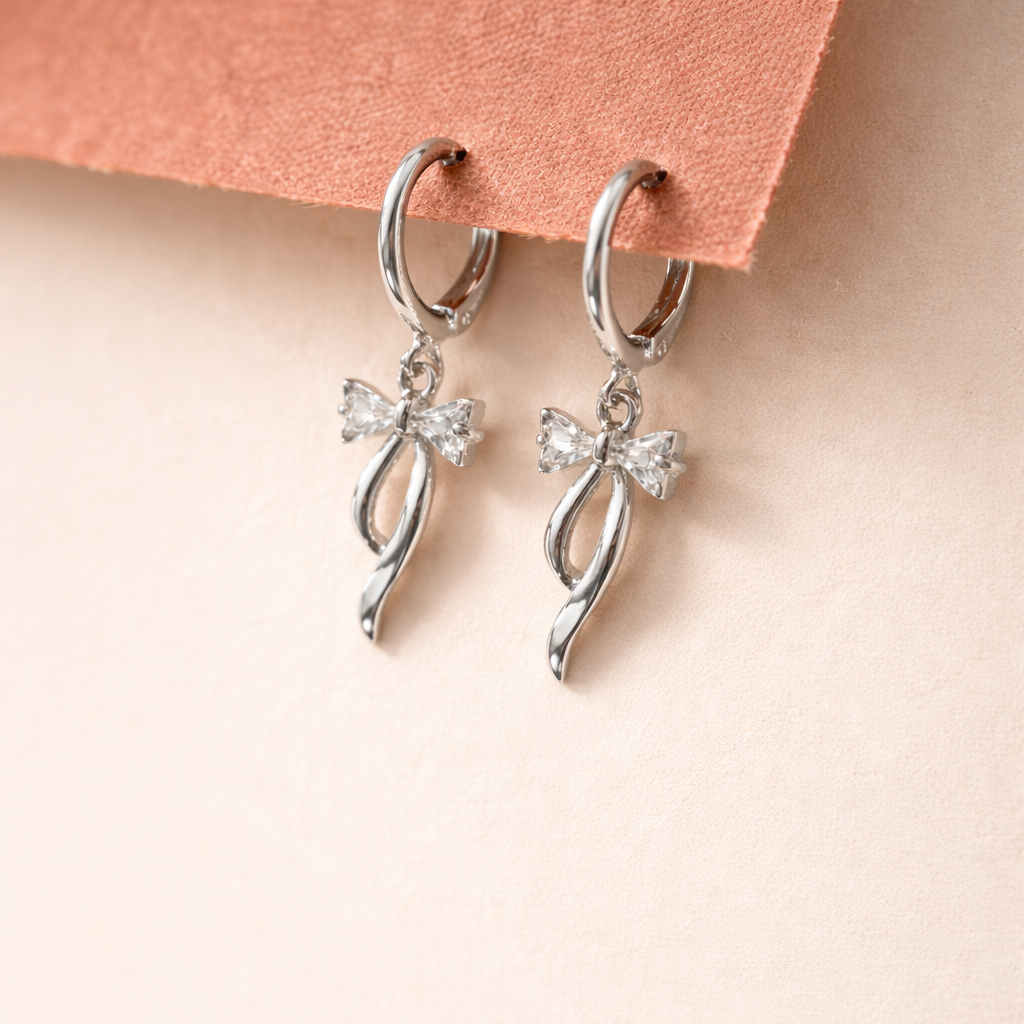
The short answer: no — not like regular jewellery
Regular fashion jewellery turns black because its brass or copper base reacts with sweat, perfume, and air. Stainless steel does not work that way. The chromium in the steel reacts with oxygen to form an invisible protective layer on the surface. Moisture and everyday wear do not eat through it the way they eat through cheap plating — and if the surface is disturbed, the layer reforms on its own. That is why a stainless steel piece can look the same after a year that a brass piece loses in a month.
What "tarnish" actually is (and why steel behaves differently)
Tarnish is a chemical reaction: sulphur and moisture in the air attack silver and copper alloys, leaving a dark layer on the surface. Stainless steel's protective chromium layer blocks that reaction before it starts. This is also why 316L — the grade with low carbon and added molybdenum — is the one good jewellers specify: it resists corrosion even from salt water and sweat, which is exactly what jewellery meets every single day.
The honest exceptions — what can still dull it
Here is where honesty matters. Stainless steel can still lose its shine in a few situations — but notice the word is dull, not tarnish:
- Chlorinated pools — regular swimming in chlorine will slowly wear down the plating over the steel.
- Harsh chemicals — bleach and strong cleaning agents attack both plating and the steel's surface.
- Product buildup — layers of perfume, sunscreen, and foundation form a film that looks like dullness. A wipe fixes it.
- Deep scratches — the steel underneath stays fine, but heavy scratches through gold plating can reveal the silver tone beneath.
None of this is the black, eaten-away tarnish of cheap jewellery. It is surface wear — slower, milder, and mostly preventable.
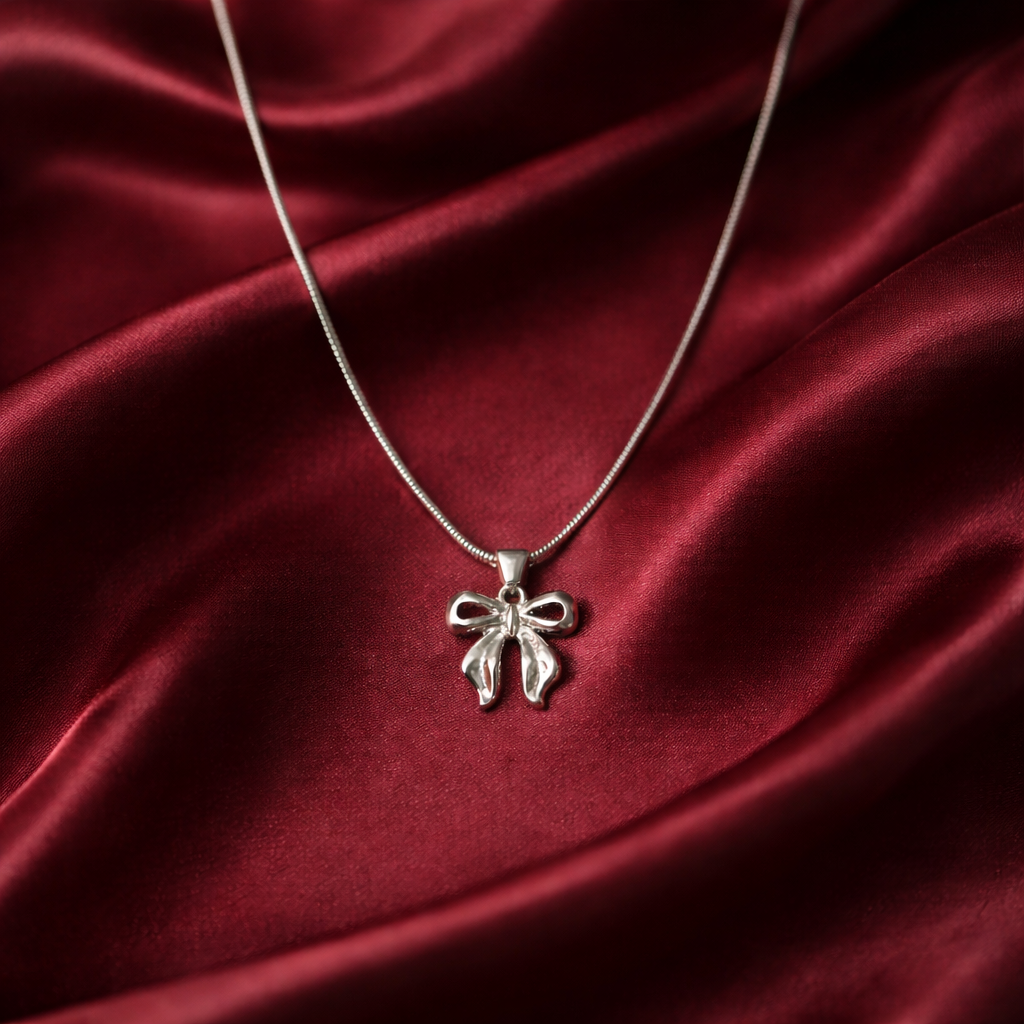
Will the gold colour fade?
This is the question people really mean when they ask about tarnish. The stainless steel core will not blacken — but the gold tone on most jewellery is a plating layer sitting on top of the steel. Its life depends on two things: how thick and even the plating is, and how you treat it. Quality plating plus gentle habits (perfume before jewellery, rinsing after the pool) keeps the colour rich for a very long time. Cheap flash plating can start showing wear in weeks. No honest brand promises the colour lasts "forever" — anyone who does is selling you a story, not jewellery.
Stainless steel vs silver vs brass — a quick comparison
| Metal | Tarnish resistance | Water & sweat | Care needed |
|---|---|---|---|
| 316L stainless steel | Very high | Handles daily exposure | Minimal — wipe occasionally |
| 925 sterling silver | Low — tarnishes without care | Dry after wearing | Regular polishing |
| Brass (fashion jewellery) | Very low — darkens fast | Best avoided | Constant upkeep |
5 habits that keep your pieces shiny
Five small habits keep your pieces shiny:
- Perfume first, jewellery second — let sprays dry before you put pieces on.
- Rinse after the pool — clean water after swimming or a sweaty workout.
- Wipe once a week — a soft, dry cloth keeps the shine up.
- Store separately and dry — not in a damp bathroom pile.
- Remove for harsh cleaning — keep bleach and strong chemicals away from jewellery.
New to stainless steel jewellery?
Start with everyday pieces designed to resist tarnish, water, and sweat.
Shop this look
Frequently asked questions
Will stainless steel jewellery turn my skin green?
Can I wear stainless steel jewellery in the pool?
How long does the gold colour last on stainless steel?
Is all "stainless steel" jewellery the same?
Everyday jewellery that keeps up with you
316L stainless steel, anti-tarnish finish, skin-friendly — all under ₹500.